From Third Party Cookies to Clean Rooms: How E-commerce Measurement Kept the Signal

In 2017, Apple’s Intelligent Tracking Prevention changed the direction of digital measurement. Safari began limiting the lifespan of third party cookies, turning a once dependable method of following audiences across sites into a shrinking technical resource. Firefox followed with stronger blocking, regulators increased scrutiny, and advertising platforms began rebuilding their systems around consent, modeled conversions, and authenticated relationships.
Jump-cut to today: Chrome has not removed third party cookies altogether, but the old measurement system has already been dismantled by browser restrictions, platform policies, privacy regulation, and consumer resistance. The result is not a single replacement technology. It is a layered e-commerce measurement stack built from first party data, GA4, server-side tagging, consent signals, modeled reporting, and, at larger scale, clean rooms. This is why the modern signal looks less like a trail and more like an engineered system.
Before the break: when the browser carried the measurement burden
For much of the 2000s and early 2010s, third party cookies connected advertising exposure, site visits, and conversions across different domains. Ad networks could recognize a browser, assemble an audience, and attribute a purchase to a previous impression or click without requiring a direct customer relationship.
The model was efficient, but it depended on an assumption that gradually became untenable: that invisible collection across many websites could continue without materially affecting trust or privacy. Apple’s 2017 ITP update made that assumption operationally fragile, while the European Union’s General Data Protection Regulation, introduced in 2018, made lawful consent and data governance central to the measurement conversation.
The technical consequences accumulated. Safari and Firefox restricted cross site tracking, mobile identifiers became less dependable, and browsers increasingly partitioned or shortened storage. Google’s Privacy Sandbox documentation records the industry’s attempt to develop privacy preserving advertising APIs, while Chrome’s later policy changes showed that third party cookies would not disappear on one simple timetable. Even so, the direction of travel was clear: measurement could no longer rely on a universal browser identifier.
After third party cookies: first party data becomes the centre of gravity
First party data is information collected directly through a brand’s own relationship with a customer, including consented email addresses, purchases, loyalty activity, account events, product interactions, and on site behavior. It is not automatically permissible or accurate, but its provenance is clearer, its business value is closer to the transaction, and its governance can be managed by the organization that collected it.
This explains the renewed importance of owned digital properties. A Shopify store, for example, is not merely a storefront. When its customer, product, checkout, and marketing systems are connected carefully, it becomes an important measurement source. Brands considering a platform migration or a more scalable commerce foundation can review Shopify’s platform options as part of that wider first party data architecture, rather than treating the platform as an isolated sales tool.
The shift also changed the meaning of customer identity. Instead of asking whether one anonymous browser appeared on several sites, measurement teams increasingly ask whether consented events can be connected across a known customer journey, and whether the connection is necessary for a defined business purpose. Data quality, consent records, event naming, and server controls therefore matter as much as media reporting.
GA4 and the event model: from pageviews to business actions
Universal Analytics inherited a web shaped around sessions and pageviews. GA4, introduced as Google’s next generation of Analytics, was designed around events and users across web and app environments. That distinction matters for e-commerce because the commercially meaningful sequence is not simply a visit. It is a product view, search, add to cart, checkout, purchase, refund, and sometimes a later repeat order.
Google’s recommended GA4 e-commerce events include actions such as view_item, add_to_cart, begin_checkout, and purchase, with product details passed through item parameters. A disciplined implementation uses a common taxonomy across the storefront, analytics platform, advertising destinations, and warehouse. It also passes transaction IDs, currency, value, product IDs, quantities, and refund information consistently.
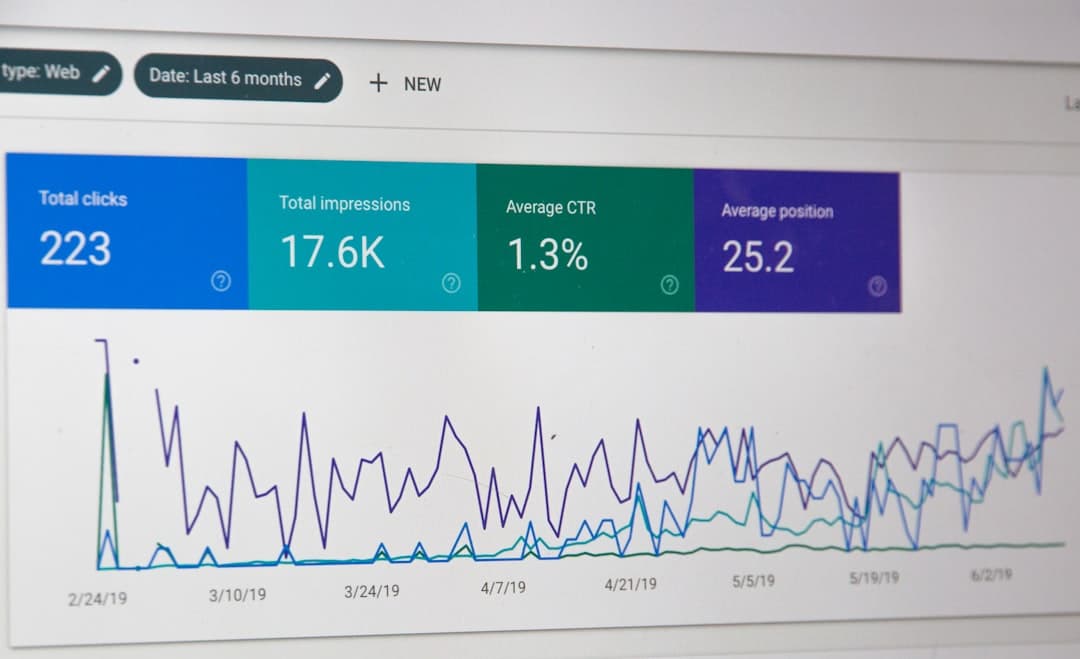
That structure creates a more durable source of truth than a collection of loosely configured pixels. It does not solve attribution by itself. GA4 still works with incomplete consent, browser limits, ad blockers, cross device behavior, and platform reporting differences. Its value lies in giving the business a coherent description of what happened, which can then be compared with orders, finance data, and advertising results.

Server-side tagging: moving control away from the browser
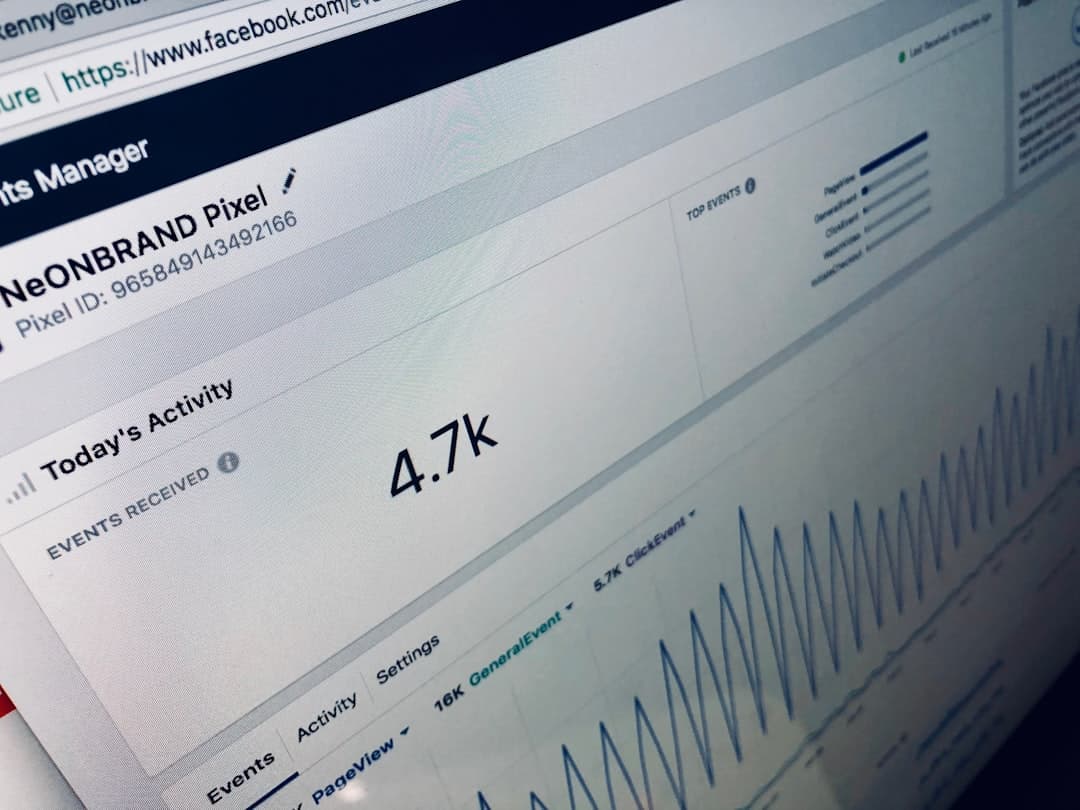
Client-side tagging sends requests directly from the shopper’s browser to multiple vendors. Each additional tag can affect page performance, expose implementation details, and create another dependency on browser storage. Server-side tagging changes the route: the browser sends a controlled event to a tagging server, which validates, enriches, filters, and forwards approved data to selected destinations.
Google’s server-side Tag Manager consent guidance explains that consent status should be communicated so tags adjust their behavior according to the user’s choices. The architecture can reduce unnecessary browser requests and provide stronger control over what leaves the organization’s environment, although it does not make nonconsensual collection acceptable and does not erase platform terms or legal obligations.
A practical stack usually includes a consent management platform, a well documented data layer, GA4, server-side Google Tag Manager, enhanced conversions where legally permitted, and a warehouse or customer data platform for durable analysis. The server becomes a governance point rather than a magic bypass. Validation, deduplication, access control, retention rules, and monitoring determine whether the system improves measurement or merely relocates disorder.
Clean rooms: measurement after raw data exchange
Clean rooms emerged as a response to the next problem: brands and media platforms need to compare audiences and outcomes, but neither side wants to transfer raw customer-level data. In a clean room, each party contributes governed data, matching occurs under agreed rules, and outputs are limited to approved analyses, often in aggregated form.
The IAB Tech Lab’s clean room guidance describes data clean rooms as environments for controlled collaboration around first party data. In practice, a retailer might compare consented purchase cohorts with a platform’s impression or exposure records, then receive an incremental reach or conversion analysis without receiving the platform’s full user database.
Clean rooms are not a replacement for reliable commerce instrumentation. They are expensive to operate, require sufficient volume, depend on compatible identifiers, and can produce little insight when consent coverage or event quality is weak. Their proper place is higher in the stack, after the brand has established clean collection, clear governance, and a dependable record of orders.

The long march ends in a layered system
The history of e-commerce measurement therefore moves from passive browser observation toward deliberate relationship infrastructure. Third party cookies once supplied the connective tissue, but browsers, regulation, and platform decisions removed its reliability. First party data restored ownership, GA4 standardized business events, server-side tagging added control, and clean rooms created a guarded method for collaboration.
For a brand, the remaining question is not how to recover every lost signal. It is how to design a measurement system that remains useful when some signals are unavailable. You need a trustworthy event model, consent that is visible and enforceable, server controls that reflect actual governance, and reporting that separates observed results from modeled estimates. You also need a fast, accessible commerce experience, because no measurement stack can repair a customer journey that obscures the product, slows checkout, or makes trust difficult to establish.
This is why e-commerce measurement looks the way it does today: less like a universal map of every individual and more like a carefully assembled history of meaningful interactions, with privacy and data ownership shaping every layer.