From Blasts to Journeys: Email, SMS, and Loyalty’s Long March on Shopify
In 1978, a sales manager sent one message to hundreds of ARPANET users and discovered that electronic mail could move products as well as information. The act was crude by current standards, but the principle was durable: a merchant could speak to many people at once, measure the response, and repeat the process at a lower cost than physical mail. Fourteen years later, the first SMS message, a simple “Merry Christmas,” demonstrated that communication was beginning to leave the desktop and follow the customer.
Today, a Shopify store can send a welcome email within minutes of signup, trigger an SMS after a cart is abandoned, award points after a second purchase, and change a product recommendation according to browsing and buying history. The visible sophistication is new. The underlying problem is not. Commerce has spent nearly half a century moving from one way announcements toward an ongoing relationship between a brand and a customer.
This is why lifecycle marketing on Shopify looks less like a campaign calendar and more like a system. Email supplies room for explanation, SMS supplies immediacy, and loyalty supplies a reason to return. Together, when coordinated through customer data and thoughtful creative, they can raise customer lifetime value without treating every customer as a permanent recipient of discounts.
Before the journey: the age of the broadcast
Early direct marketing was built around lists, not relationships. A retailer assembled postal addresses, produced one offer, and distributed it to a broad audience. Email reduced the cost and delay of that process, which made the “blast” commercially attractive. The first mass marketing email in 1978 is widely attributed to Gary Thuerk of Digital Equipment Corporation, whose message reached roughly 400 ARPANET users, according to the historical account from Email on Acid.
The technology changed the economics, but not the mental model. A list was still treated as an audience waiting for the next announcement. Segmentation existed, but it was usually based on limited facts such as geography, purchase category, or membership status. The central measurement was response to the message rather than the health of the customer relationship.
That model shaped the language still used in commerce. “Send,” “blast,” “campaign,” and “promotion” all describe an event that begins with the merchant and ends after the recipient reacts. It worked particularly well when product ranges were narrow, customer data was sparse, and acquisition costs were easier to absorb. It worked less well as inboxes filled and customers encountered the same offer from competing brands.
The result was predictable. More messages produced diminishing attention, while indiscriminate discounting weakened margin and trained customers to wait. The broadcast was not inherently ineffective; it was simply being asked to perform a task it was never designed to handle. A single message could announce a sale, but it could not explain what should happen before and after the sale.

The mobile turn: why SMS became the urgent channel
SMS emerged from a different technical history. On December 3, 1992, engineer Neil Papworth sent the first text message from a computer to a Vodafone mobile phone, as History reports. The message was not promotional, yet its significance for commerce became clear as mobile phones moved from occasional communication devices into constant companions.
Email remained the channel for detail. SMS became the channel for timing. A short message could confirm an order, announce that an item was ready, remind a customer of an expiring reservation, or present a limited offer at the moment when attention was most available. That immediacy created value, but it also introduced a stricter obligation: a text message interrupts more directly than an email and therefore requires clearer consent, tighter frequency control, and a stronger reason to arrive.
The commercial migration from email to SMS did not eliminate the older channel. Instead, it divided the work. Email could hold editorial content, product education, recommendations, and a visual expression of the brand. SMS could handle delivery updates, replenishment reminders, launches, and concise prompts. A store that used both effectively was no longer choosing between two interchangeable broadcast tools. It was assigning different jobs to different forms of attention.
This distinction matters on Shopify, where an event such as a purchase can become the starting point for several forms of communication. The order confirmation belongs to service. A post purchase care guide belongs to education. A replenishment reminder belongs to timing. A loyalty invitation belongs to the next relationship stage. Treating all of these as promotional messages makes the customer journey harder to understand and the reporting harder to trust.
Loyalty before software: the return visit becomes an asset
Loyalty programs predate digital commerce, although digital systems made them easier to personalize. Airlines, hotels, grocers, and department stores gradually turned repeat behavior into an identifiable commercial asset by recording purchases, awarding benefits, and giving members reasons to consolidate more of their spending in one place.
The economic logic became influential because retention changes the value of an acquired customer. Research associated with Frederick Reichheld and Bain, summarized by Harvard Business Review, has often cited a relationship between a 5 percent increase in retention and profit increases ranging from 25 percent to 95 percent. The exact effect varies by industry, margin, and customer mix, but the broader lesson remains sound: a second and third purchase can be more valuable than another expensive first purchase.
Digital loyalty programs then expanded the definition of participation. Points could be awarded not only for transactions, but also for referrals, reviews, account creation, or engagement. Yet points alone do not create loyalty. They create an accounting system. Loyalty emerges when the system gives customers a meaningful combination of recognition, convenience, product relevance, and confidence that returning is worthwhile.
This is where the history of email and SMS intersects with loyalty. Email can explain the program and show progress. SMS can alert a member when a reward is available or a benefit is about to expire. The loyalty account can provide the persistent memory that neither channel possesses on its own. A customer is no longer merely a recipient of messages, but a participant whose actions change what the brand says next.
From campaigns to lifecycle: the customer becomes the timeline
The lifecycle model arose as merchants began organizing communication around customer states rather than promotional dates. A person who has just subscribed needs reassurance and orientation. A first time buyer needs confirmation, care information, and a reason to consider a second purchase. A repeat buyer may respond to early access, product pairing, or recognition. A dormant customer requires a different diagnosis altogether, because inactivity can indicate poor timing, dissatisfaction, a completed need, or simple loss of interest.
The essential shift was from “What should be sent this week?” to “What does this customer need to know or do next?” That question produces a more durable architecture of flows, including welcome, browse abandonment, cart recovery, post purchase education, replenishment, review requests, win back, and VIP recognition. Campaigns remain useful for seasonal events and launches, but automated flows carry the continuity of the relationship.
A useful lifecycle system normally contains five connected layers:
- Identity: consented email and SMS records, customer accounts, purchase history, and source information.
- Events: signup, product view, cart creation, purchase, delivery, review, referral, and inactivity.
- Segments: new subscribers, first time buyers, high value customers, category buyers, and lapsed customers.
- Messages: email, SMS, onsite prompts, service notifications, and loyalty communications.
- Measurement: repeat purchase rate, contribution margin, unsubscribe rate, conversion, time to second purchase, and customer lifetime value.
The order matters. Without reliable identity, events are misread. Without events, segments become crude. Without segments, messages become repetitive. Without measurement, a flow can appear successful because it generates orders while quietly reducing margin or increasing unsubscribes.
Shopify’s present: the store becomes an operating system
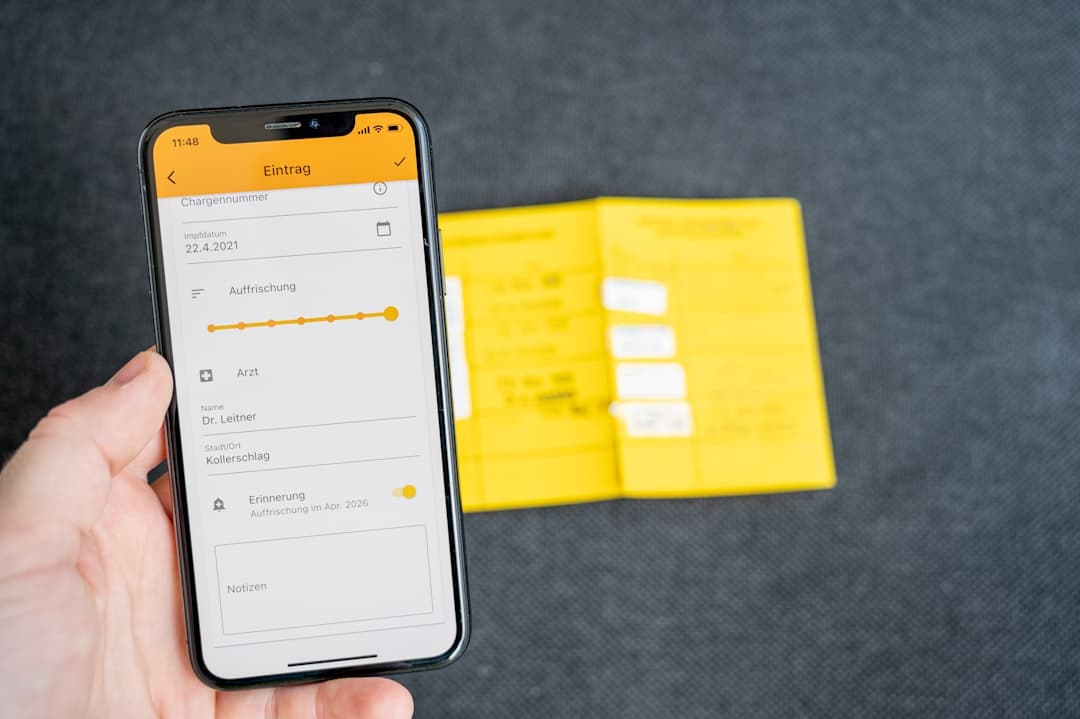
Shopify’s importance to lifecycle marketing comes from the way commerce data is gathered around the store. Orders, products, customer profiles, discounts, fulfillment, and account behavior can form the backbone of a connected system, while email, SMS, loyalty, review, and analytics applications extend its reach.
The platform does not remove the need for architecture. It makes architecture possible at a practical scale. Shopify Flow, for example, is designed to automate tasks and processes inside the store and across connected applications. That can support workflows such as tagging a high value customer, routing an order exception, or initiating an action after a customer reaches a defined threshold.
Customer accounts also matter because they give the shopper a durable place to manage orders, returns, and profile information. Shopify’s discussion of customer account extensions shows how reviews, loyalty features, and other services can be brought closer to the account experience. The commercial implication is significant: loyalty does not have to live as a disconnected microsite or a generic points email. It can become part of the store’s continuing utility.
For growing brands, the practical challenge is deciding what belongs in the native platform, what should be handled by an application, and what requires custom development. A fashion brand may need strong visual merchandising and size related education. A furniture brand may need longer consideration sequences, delivery information, and room planning content. A lifestyle brand may rely more heavily on replenishment, gifting, and community. The same Shopify foundation can support each model, but the customer logic should not be copied unchanged from one category to another.
A Shopify store and its surrounding ecosystem therefore becomes most useful when the experience, data, and messaging are designed together. Technical integration is only the middle layer. The first layer is commercial strategy, and the final layer is the creative expression that makes each touchpoint feel native to the brand.
Measurement after open rates: the privacy correction
The history of lifecycle marketing also includes a correction to its measurement habits. Open rates once appeared to provide a simple answer to whether an email had been noticed. Apple’s Mail Privacy Protection changed that assumption by limiting the ability to use tracking pixels to determine when and where a message was opened. Litmus notes that more than half of email opens occur on devices with Apple Mail Privacy Protection activated, making open rate a weaker standalone measure of attention.
The more useful question is what happened after the message. Did a recipient click, browse, purchase, use a reward, return for a second order, or remain subscribed without receiving excessive discounts? A healthy dashboard connects channel metrics to commercial outcomes. It separates revenue generated by an automated flow from revenue that would likely have occurred anyway, and it watches margin as carefully as conversion.
Customer lifetime value should also be treated as a cohort measure rather than a flattering average. A brand can compare customers acquired through paid social with customers acquired through organic search, then examine their second purchase rate, average order value, purchase interval, and gross margin over time. The result is a clearer view of which acquisition and lifecycle combinations produce durable demand.
SMS requires its own discipline. Consent must be explicit, records must be maintained, and opt out behavior must be respected. Frequency should follow the value of the message rather than the appetite of the sending calendar. A delivery update can arrive because it is expected. A promotional text should arrive because it is relevant. These are different standards, and confusing them creates the very fatigue that lifecycle marketing was designed to reduce.
The creative layer: why automation cannot be allowed to look automated
A technically correct journey can still feel lifeless. The history of direct marketing shows that relevance has always depended on the quality of the message, not merely the accuracy of the list. A beautifully designed welcome sequence can establish a brand’s point of view, while a poorly written one can make a premium store appear interchangeable with every other retailer.
For design led brands, lifecycle creative should extend the Shopify experience rather than imitate a software template. Product photography, typography, motion, tone, and editorial pacing can carry from the storefront into email and SMS landing pages. A post purchase message can teach care or styling. A loyalty invitation can make membership feel like recognition rather than a transaction. A win back message can acknowledge elapsed time without pretending that every customer has been waiting impatiently.
This is also why lifecycle work benefits from the same strategic and creative process used in a broader commerce build. Mifzi’s positioning at the intersection of brand identity, UX design, creative development, Shopify development, and full funnel marketing reflects a historical reality: retention problems are rarely confined to the messaging tool. They may begin with unclear positioning, difficult navigation, slow performance, weak product information, or an account experience that offers no reason to return.
The system that emerged from the long march
Email began as a cheaper letter. SMS became a faster interruption. Loyalty turned repeat behavior into a remembered relationship. Shopify brought the store, the customer record, and the operational event closer together. Each stage solved a limitation of the one before it, while introducing a new responsibility around consent, relevance, measurement, and experience.
The mature lifecycle marketing system is therefore not a larger collection of campaigns. It is a sequence of decisions: identify the customer state, understand the next useful action, choose the channel suited to that action, express it in the brand’s visual and verbal language, and measure whether the relationship became more valuable without sacrificing trust.
For a Shopify brand, the practical implication is direct. Start with the journey from signup to second purchase, then build outward toward replenishment, loyalty, advocacy, and reactivation. You do not need every automation on the first day, but you do need a coherent memory of what has already happened. When that memory is shared across the store, email, SMS, and loyalty program, customer lifetime value becomes less a hopeful projection and more the cumulative result of better timed, better designed decisions.