From Catalog Copy to Cinematic Product Pages: How Shopify PDPs Learned to Tell Stories
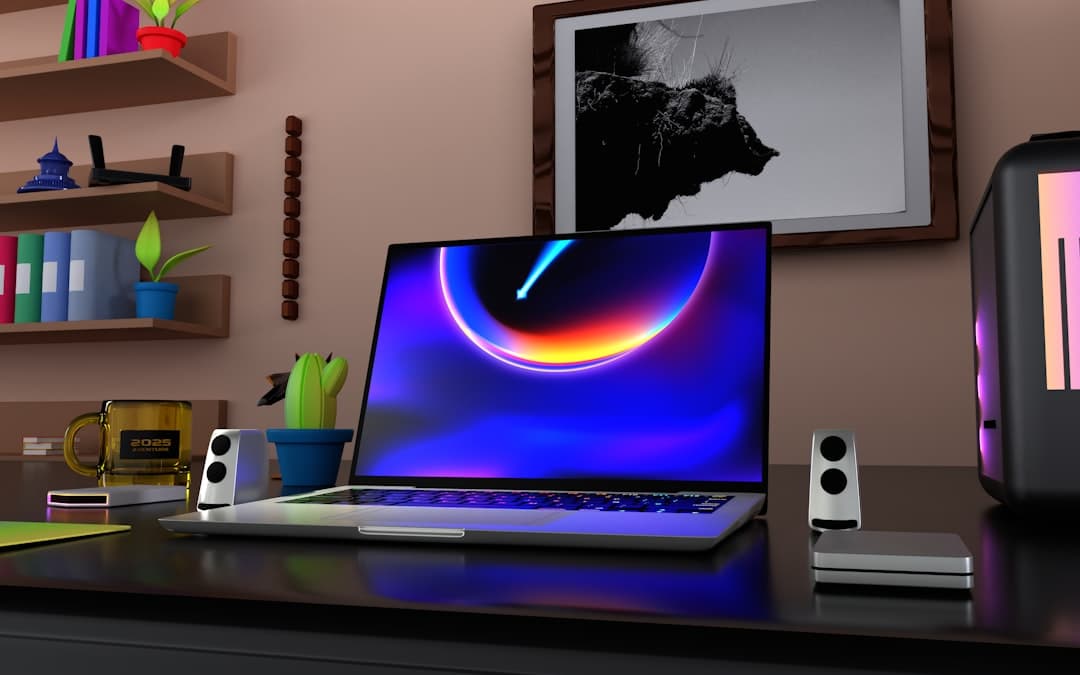
In 1990s mail order, a product had one narrow task: appear convincingly in a catalog. A carefully lit photograph, a block of descriptive copy, a price, and an order number had to compress the work of a shop assistant into a printed rectangle. When commerce moved online, the rectangle became a browser window, but the logic remained largely intact.
Then the product detail page began to change. Better cameras, faster networks, social commerce, mobile shopping, and Shopify’s increasingly capable media infrastructure turned the PDP from a digital catalog entry into something closer to a guided product experience. Today, motion, 3D, and user generated content do not simply decorate a product page. They answer the old retail questions of appearance, use, scale, quality, and trust in new visual forms.
This is why the modern Shopify product page looks the way it does today.
From printed catalog to searchable product database
Catalog retail established the first durable rules of product storytelling. Since the reader could not touch the object, the page had to establish enough confidence to prompt an order from a distance. Copy explained materials and dimensions, photography supplied desire, and practical details reduced uncertainty.
Early ecommerce inherited that structure, although the web added search, filters, clickable variants, and a persistent shopping cart. Product pages became more efficient than catalogs because an inventory database could display hundreds of items without printing a new edition. Yet many early PDPs still behaved like catalog cards: one hero image, several paragraphs of specification heavy copy, and a prominent purchase button.
As online retail expanded, the weakness of that model became clearer. A static image could show what an item looked like, but not how fabric moved, how furniture occupied a room, or how a handbag appeared when carried. The product page had to perform more of the sensory and reassuring work once handled by a physical store.
The 2010s shift: photography became demonstration
The first major visual shift was not cinematic video but the expansion of the image gallery. Multiple angles, close ups, scale references, lifestyle scenes, and color swatches gave shoppers a more complete mental model. Responsive design then made the gallery central to mobile commerce, where the image often appeared before the title, description, or specifications.
This development also exposed a persistent quality gap. The Baymard Institute’s product page research reports that only 49% of ecommerce sites achieve a decent or good overall product page user experience. The finding is less a criticism of visual ambition than a reminder that storytelling must remain useful. A beautiful gallery that hides dimensions, delays variant selection, or makes images difficult to inspect is still an incomplete explanation.
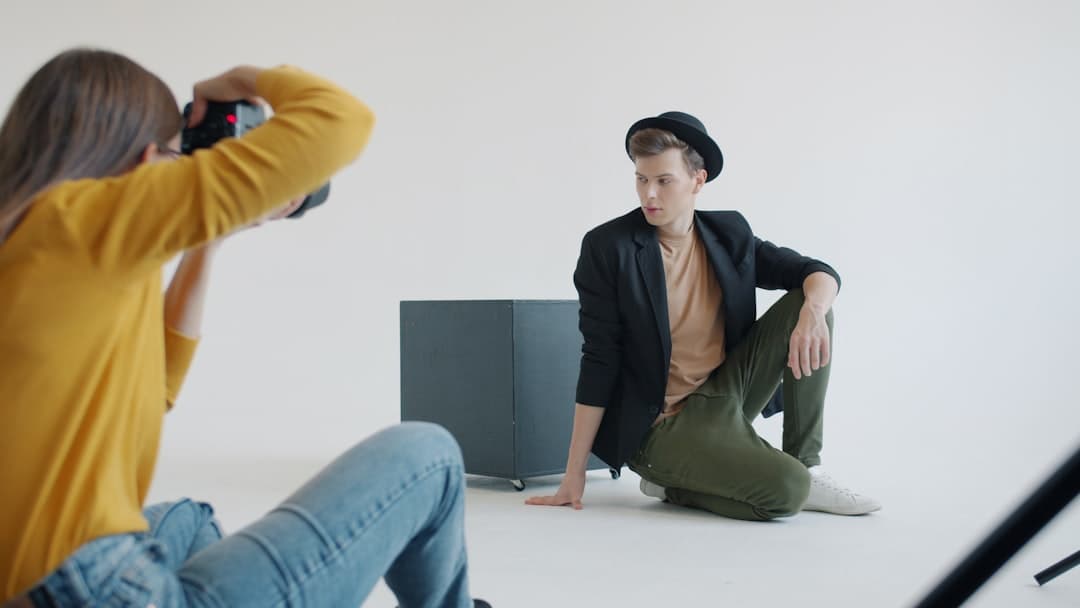
Around the same period, short product videos began to replace the distinction between showing and telling. A model turned, a shoe flexed, a lamp illuminated a room, and a garment revealed its drape. Motion became a form of evidence, especially for fashion, beauty, home, and lifestyle products whose value depends on behavior rather than appearance alone.
The 2020s shift: the PDP became a media system
The contemporary product detail page is less a single page than a coordinated media system. A still image establishes recognition, a short video demonstrates use, a 3D model communicates form, and customer content supplies social context. Each asset answers a different question, so the strongest pages sequence them instead of treating every format as interchangeable.
Shopify’s support for product video and 3D models helped make this structure practical for merchants without requiring a custom commerce platform. Shopify reports that merchants using 3D commerce have seen an average 94% increase in conversions, although that figure is platform research and should be treated as directional rather than universal evidence. Its research on augmented reality shopping also cites shoppers as 27% more likely to order after viewing a product in 3D and 65% more likely after interacting with it in augmented reality.
The conversion lesson is not that every product requires an immersive viewer. It is that uncertainty has become a design problem with several possible answers. A 3D model is useful when shape, proportion, or spatial fit matters. A motion clip is useful when use, texture, or movement matters. A comparison image is useful when size or variation causes hesitation.
UGC changed who gets to tell the product story
The next shift came from the customer. Reviews had long supplied written reassurance, but social platforms normalized the idea that products could be shown in ordinary homes, on ordinary bodies, and in imperfect conditions. User generated content therefore added more than authenticity as a vague brand quality. It introduced context that studio photography often removes.
According to PowerReviews research on visual user generated content, 91% of consumers say they are more likely to buy a product when reviews include photos and videos as well as text. The survey is not Shopify specific, but it clarifies why customer imagery now appears beside galleries, beneath product descriptions, and inside review modules.
The most effective UGC pattern is usually not an undifferentiated wall of posts. It is a curated sequence: a customer wearing the item, using it, placing it in a room, or explaining a practical detail, followed by a review that confirms the claim. That structure connects aspiration with verification and makes the product story feel less like advertising copy and more like accumulated experience.
Motion earns attention, but performance earns the sale
Cinematic presentation has created a new constraint. Large video files, animated galleries, third party review widgets, and interactive 3D viewers can make a page feel rich while making it slow, unstable, or difficult to operate on a mobile connection. The historical pattern has repeated: every new medium expands what a product page can explain, then forces designers to improve the infrastructure beneath it.
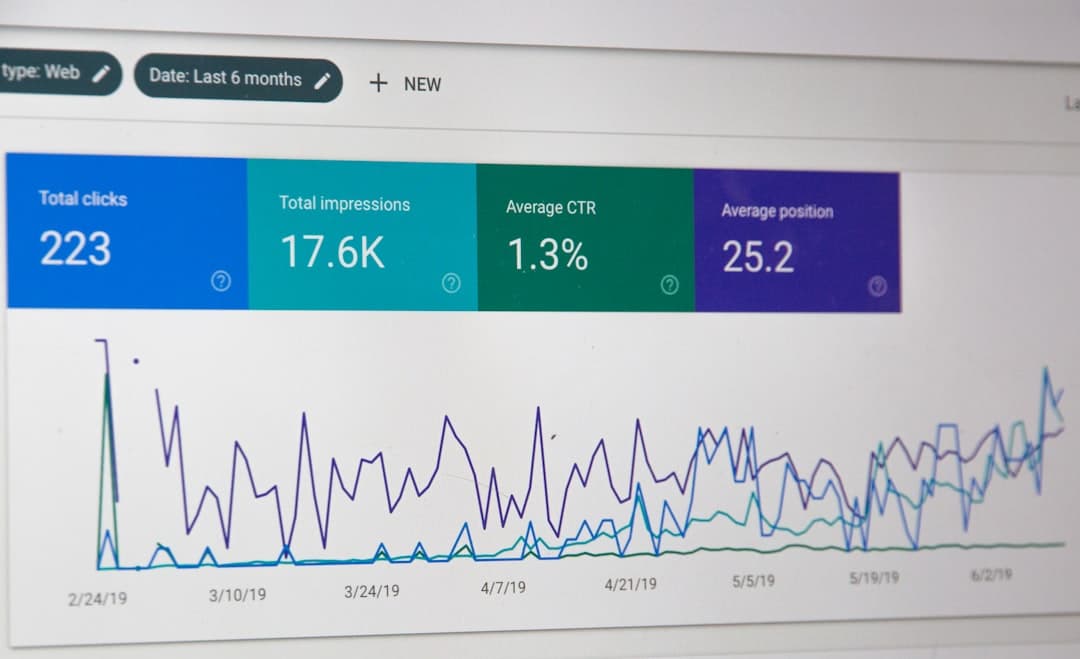
Google’s Core Web Vitals guidance frames this infrastructure through loading performance, interactivity, and visual stability. Its commonly used thresholds include a Largest Contentful Paint of 2.5 seconds or less, while Interaction to Next Paint measures responsiveness and Cumulative Layout Shift measures unexpected movement. These are not guarantees of conversion, but they establish an important boundary for media rich Shopify PDPs: the story cannot interrupt the transaction.
That is why practical implementation matters as much as art direction. Video should be compressed and deliberately placed, poster images should preserve clarity before playback, dimensions should be reserved for media, and 3D should enhance a decision rather than block access to basic product information. The best creative development makes the page feel immediate because its complexity has been carefully managed.
What the timeline leaves for Shopify brands
The evolution from catalog copy to cinematic PDPs does not eliminate the original retail principles. It extends them. A product still needs a clear promise, credible proof, useful specifications, and an easy path to purchase. Motion, 3D, and UGC work when each resolves a particular hesitation rather than when each is added for spectacle.
For growth minded fashion, lifestyle, and home brands, the practical implication is a connected system in which brand identity, UX, Shopify development, content, and performance are planned together. Many teams start with Shopify to unify these pieces. A design led agency such as Mifzi operates in that intersection, treating the product page as both a visual composition and a measurable commerce surface. The next page does not need to resemble a film set. It needs to explain the product with the same patience, precision, and confidence that the best catalogs once achieved, while using the richer language of the screen.